Know if a place is worth it, before you go.
Ask anyone in India where to go for a long weekend and you'll get forty reels, a half-filled Google Doc, and still no real answer. Raasta is a library of properly researched trips. Each one is scored on the weather, the crowds, and how far it is to reach, with a real budget and a day-by-day plan next to it. Open a place and you can see, at a glance, whether it's worth it for when you're going. Then you just travel.
- Role
- Founder & Product Designer
- Scope
- Strategy → UX → Brand → Build
- Platforms
- Native iOS & Android
- Industry
- Travel, Consumer
- Timeline
- 2026, ongoing
- Status
- Pre-launch, waitlist open
Raasta is a real, founder-led venture, still pre-launch. The strategy, product, UX, and brand shown here are my own work, built with my co-founder Siddharth Singh. The site is live and taking signups at raasta.app, and the app is in production.
We're the country that travels the most and plans the worst.
Indians took 295 crore domestic trips in 2024. We are always going somewhere: a wedding, a long weekend, the trip the group chat has been “planning” since January. But the planning itself is a mess. You save reels, open ten tabs, message a cousin, and still land up in Manali in peak season with no decent room and a four-hour jam on the way out. Inspiration, we have plenty of. What's missing is the useful part. Is this place actually right for me, right now?
Sources: Ministry of Tourism, WTTC, Google and Kantar.
Everyone helps you dream. Nobody helps you decide.
Watch how a trip actually gets planned here and the gap is obvious. Instagram makes you fall for a place in fifteen seconds but tells you nothing about your dates. Maps gets you there but won't say whether it's worth going. Booking apps sell you what you've already chosen. Blogs are generic and often years old. Everybody owns a slice of the journey, and all of them quietly step around the one hard part, which is the decision. That is the gap Raasta is built for.
Inspiration, India has plenty of. What's missing is a straight answer, and whoever owns that sits ahead of every booking.
Open a place, and the homework's already done.
Open Rishikesh for next weekend from Delhi and the whole picture is right there. The weather is good, the overnight bus is your best bet, the trip runs about ₹8,000, you should base yourself in Tapovan rather than the main market, carry a light jacket, and skip the Sunday-evening drive back. None of it is generated on the spot. It is researched, written, and kept current, so you just read it, save it, or forward it to the group. Before any place earns a spot in Raasta, it has to answer six questions.
Is it worth it right now?
A clear go, maybe, or wait, for your exact dates. Not a write-up that is quietly wrong for half the year.
How do I actually reach?
Travel time and the right mode from your city. Rishikesh from Delhi and Rishikesh from Mumbai are not the same trip.
What will it really cost?
An honest, all-in number across stay, travel, and food. Real ranges, not made-up figures.
Where do I stay, and how long?
The right area for the trip you have in mind, and how many days the place is genuinely good for.
What do I pack?
A list built for that place, that month, and that way of travelling. Not a generic reminder to carry a toothbrush.
What will catch me out?
The crowd days, the bad-weather windows, the usual scams, and the small local mistakes that spoil a good trip.
Everything runs on one place graph.
The biggest call was not a screen. It was the plumbing underneath. Instead of writing travel articles, I made every destination structured data: the best months, the costs, the stay zones, the routes, and the things that quietly ruin a trip. That one decision carries most of the product. Because a place is a proper building block, the same well-built place can power a weekend trip and a ten-day journey from one source. And every correction a traveller sends back makes it sharper, which is hard for a copycat to shortcut.
Place
A destination stored as data: seasons, costs, and stay zones.
Trip
One base, plus the nearby detours worth taking.
Journey
Several places strung into one route, in the right order.
The same well-built place groups into a weekend trip and chains into a ten-day journey, all from one source. And every correction a traveller sends back makes it a little sharper, which is hard for a copycat to shortcut.
From a weekend trip to a week-long journey.
Most trips in India now are the quick kind, a Friday-to-Sunday reset rather than the once-a-year holiday. But people still want the long, proper trip too, so Raasta does both. A Trip is built around one base, with a plan you follow hour by hour. A Journey is the multi-stop version: several places strung into one route, in the right order, with distances, drive times, and how you'll get between them. Raasta works out the route, the timing, and the budget. It does not book anything. That part stays in your hands.
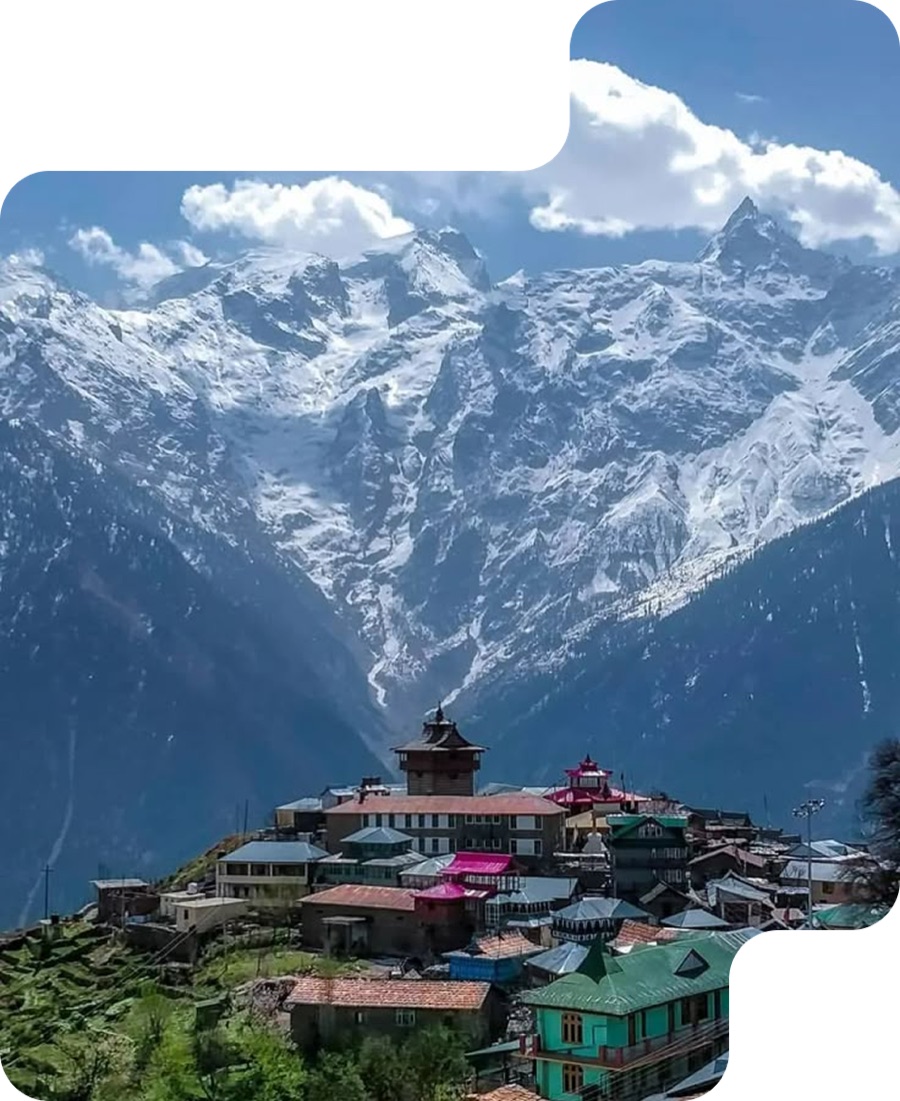
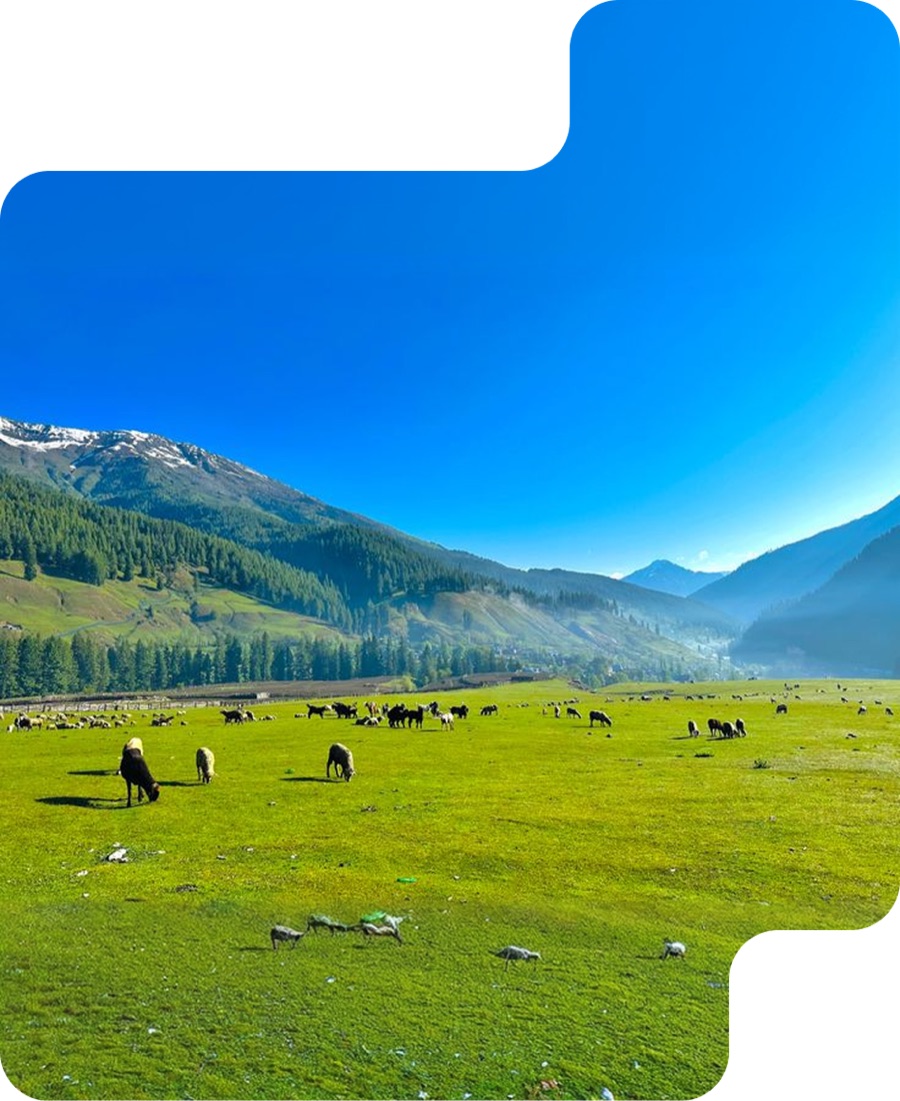
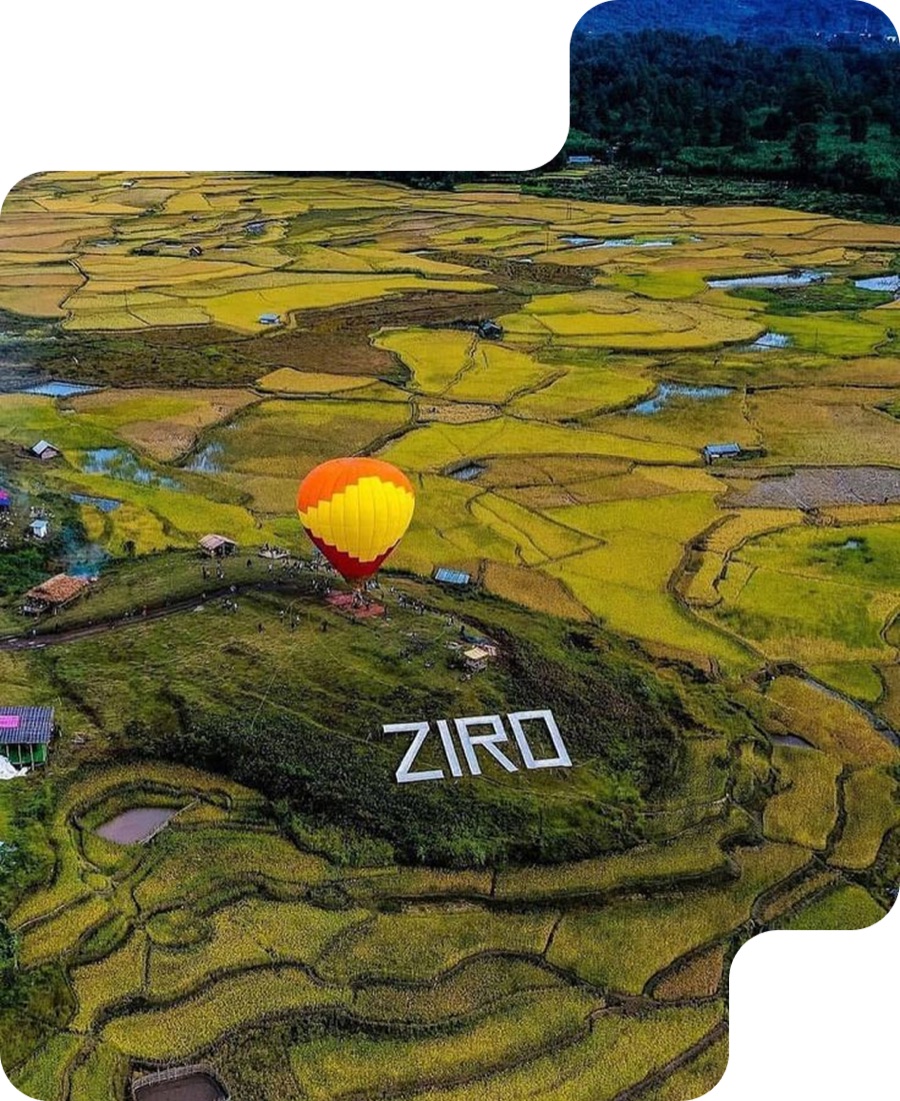
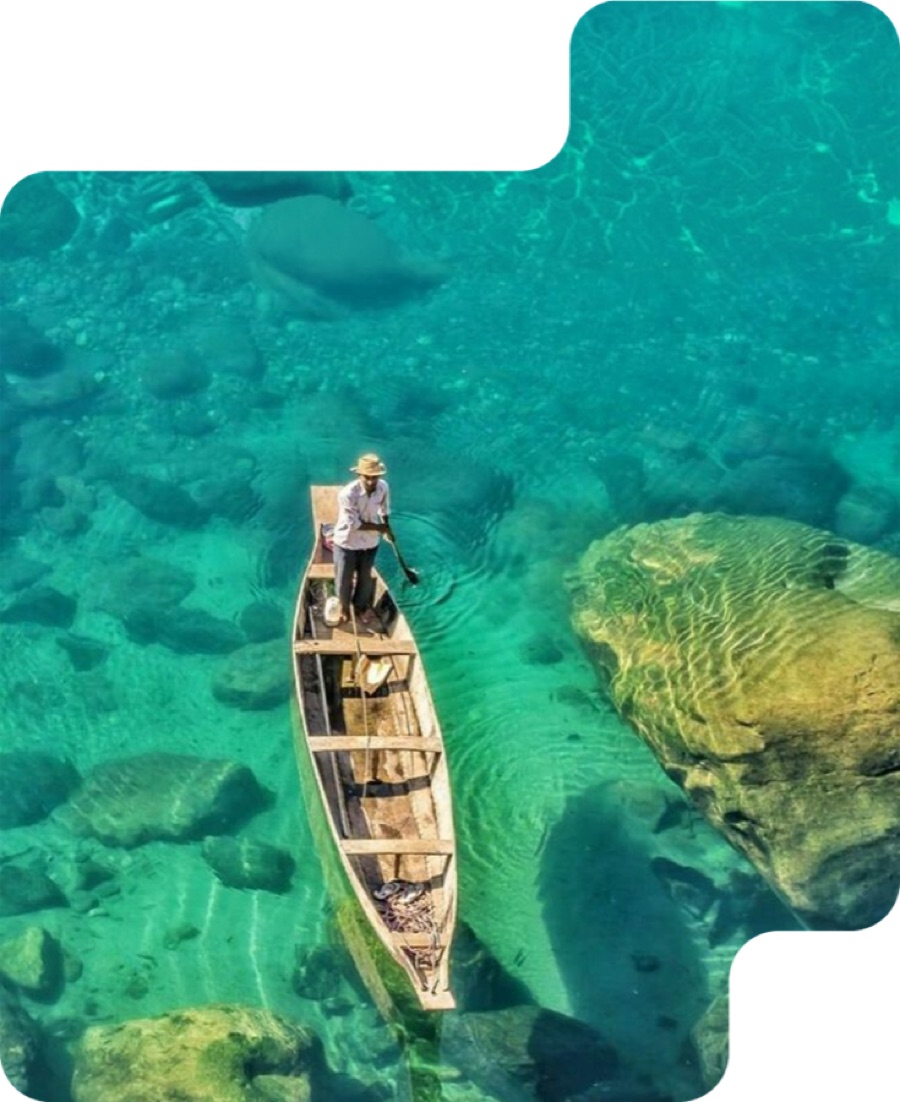
Sohra · Mawlynnong · Dawki +2 more
The weekend, sorted
- One base, plus the nearby detours worth taking
- A day-by-day plan you can actually follow
- Travel time and the right mode from your city
- Honest cost bands and a real packing list
- Forward it to the group in one tap
The region, properly
- Several places strung into one route
- Mapped stop by stop, in a sensible order
- Distance, drive time, and road notes per leg
- How you'll travel between them, by train or road
- One budget across the whole route
The score can never be bought.
Every place and journey gets one number, built from what actually decides a trip: the weather for your dates, how long it takes to reach, how crowded it will be, and how well it fits what you are after. Never likes, never ad spend, never who paid us. The day a tourism board can buy a better score, the number is worthless and so are we, so we simply don't sell it. That single rule shapes more of the product than any screen does.
Built on real conditions
Seasons, costs, and routes worked out from how things actually are, with a clear 'last updated' and a one-tap way to flag anything gone stale.
Your trips stay yours
No selling your data, no quiet tracking, no using your plans to chase you with ads for the next month.
Ads never pose as advice
When a local business shows up, 'recommended', 'verified', and 'sponsored' stay clearly apart. A paid slot can't dress up as a recommendation.
Next to the apps you already use.
Raasta is not trying to replace the apps you already use. It sits in the one gap they all leave open, the part where you decide, and hands off cleanly to the rest.
Ship the site first, earn the app later.
The hardest call for a founder-designer is not what to build. It is what to leave out. An app is a lot to build on a hunch, so I didn't start there. The first thing we shipped is the website: mobile-first, quick, easy to forward, and sharp enough that a stranger reads it and leaves their email. That is the first honest proof, real demand and a real audience, before a single rupee goes into the app.
The real design happened before any screen.
Raasta is the one project where I own every layer: the idea, the market call, the data model, the brand, and the pixels. The thing I keep relearning is how much of the design happens before anything is drawn. The decision that mattered most here had nothing to do with layout. It was widening the product from journeys-only to a place-first library of trips and journeys, and then keeping the launch small enough to actually ship.
If it works, the payoff is bigger than a tidy planner. Give people a plan they trust and they get a little braver. They skip the usual Goa or Manali loop for a valley in Kashmir, and a small part of that 295-crore-trip spend finally reaches the towns and local guides that need it most.
For now the waitlist is open, the graph is filling in, and the real work is the slow kind: earning trust one honest trip at a time. That is exactly the work I want to be doing. Built with my co-founder, Siddharth Singh.